My Role
As the UX Designer, I was responsible for:
Researching existing workflows and anticipating user needs
Designing flexible, modular widgets for different event stages
Collaborating closely with the Drupal development team to ensure feasibility and smooth implementation
Challenge & Opportunity
Prior to this project, event pages were manually built without a system that could properly support embargoed content or dynamic, time-based experiences.
This presented an opportunity to::
Build a more immersive event experience for both customers and vendors
Introduce modularity and scheduling capabilities to support livestream timing and embargo requirements
Create a scalable solution that would significantly reduce build time for future events
The Process
Research and Audit:
Design:
Developed wireframes followed by high-fidelity mockups
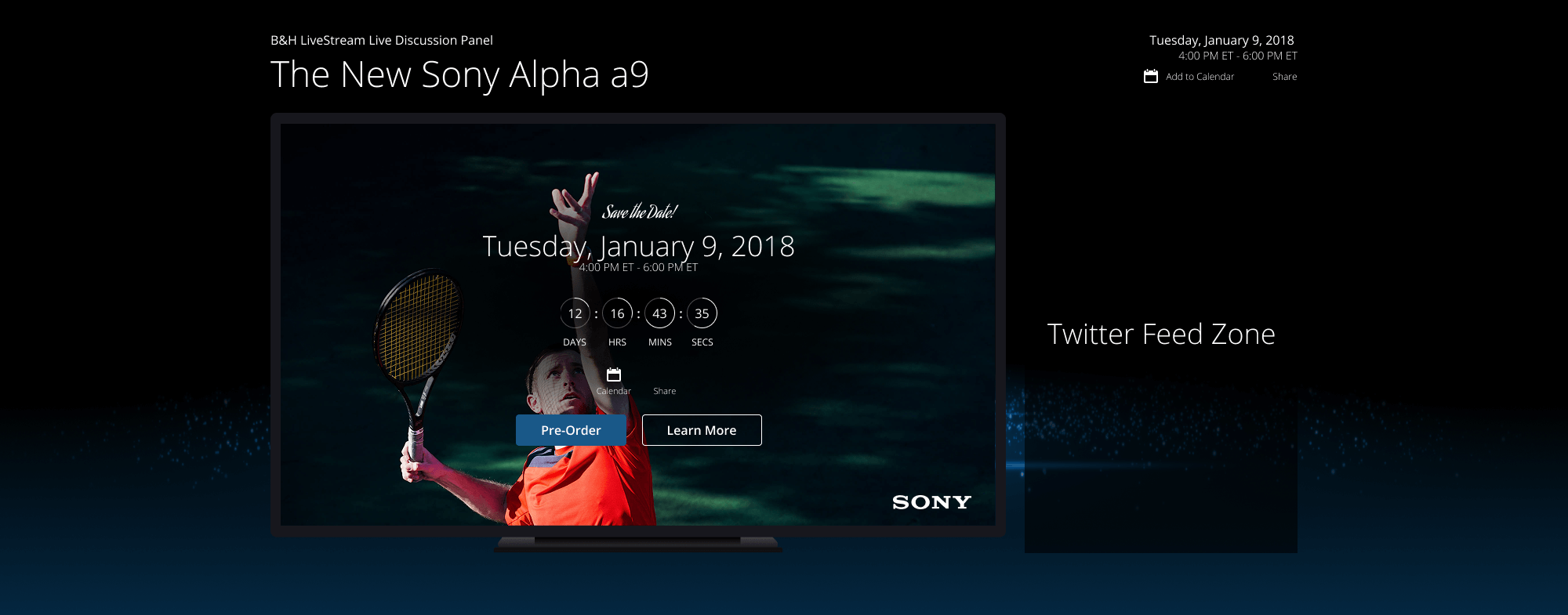
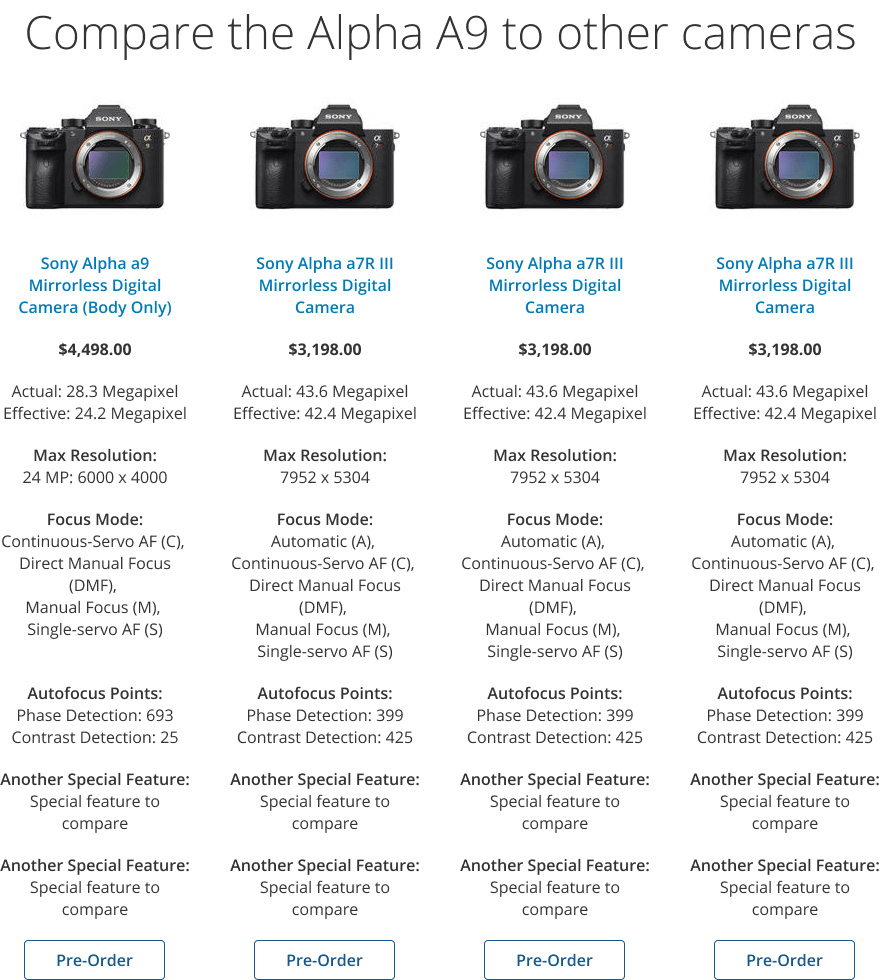
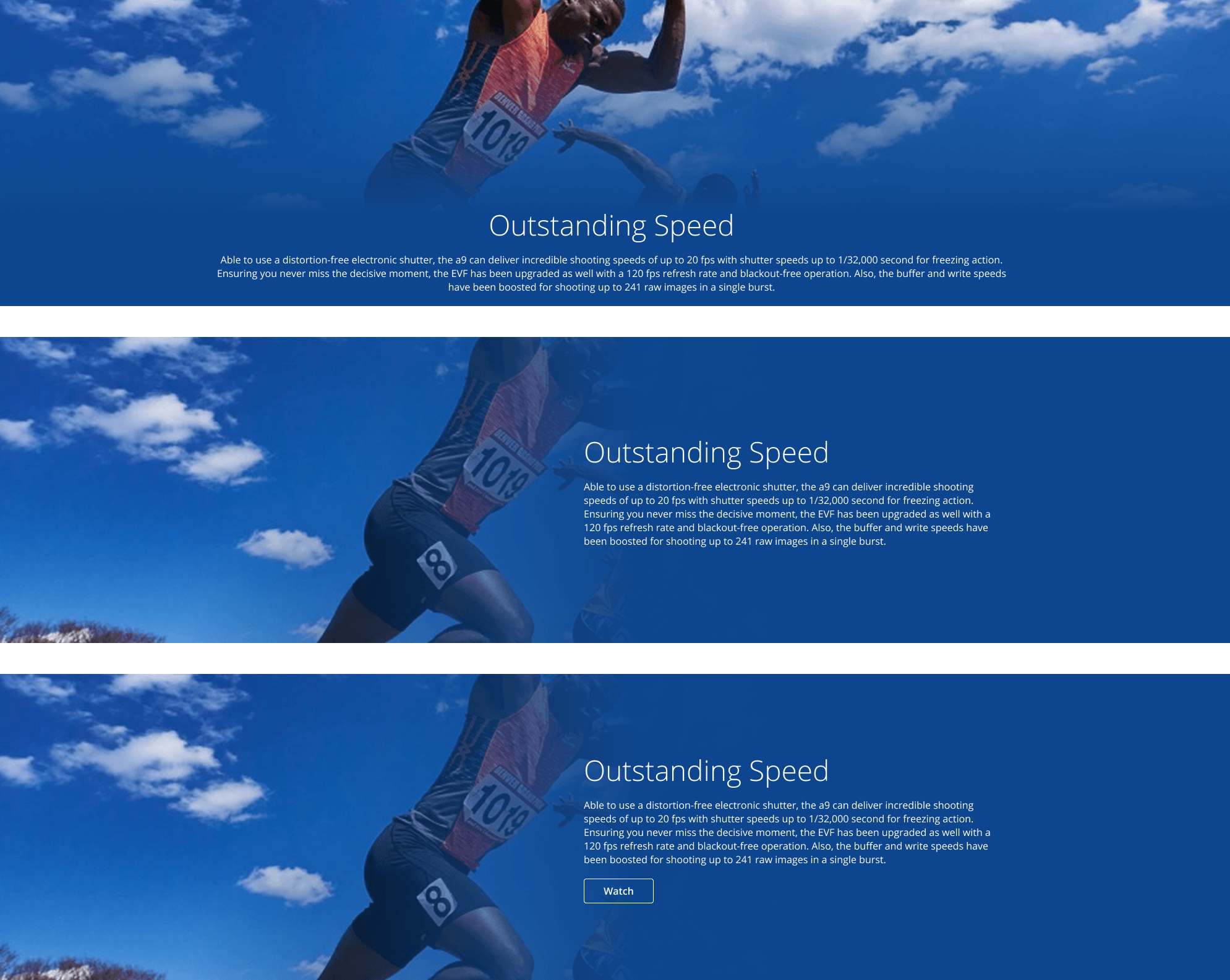
Focused on flexibility, allowing different widget layouts (e.g. centered, left-aligned, right-aligned)
Testing and Collaboration:
Worked closely with developers to build the widgets within our Drupal CMS
Underwent training on the new system to ensure the design worked as intended
Provided ongoing UX feedback to improve both the event page experience and the backend authoring tools
The Solution
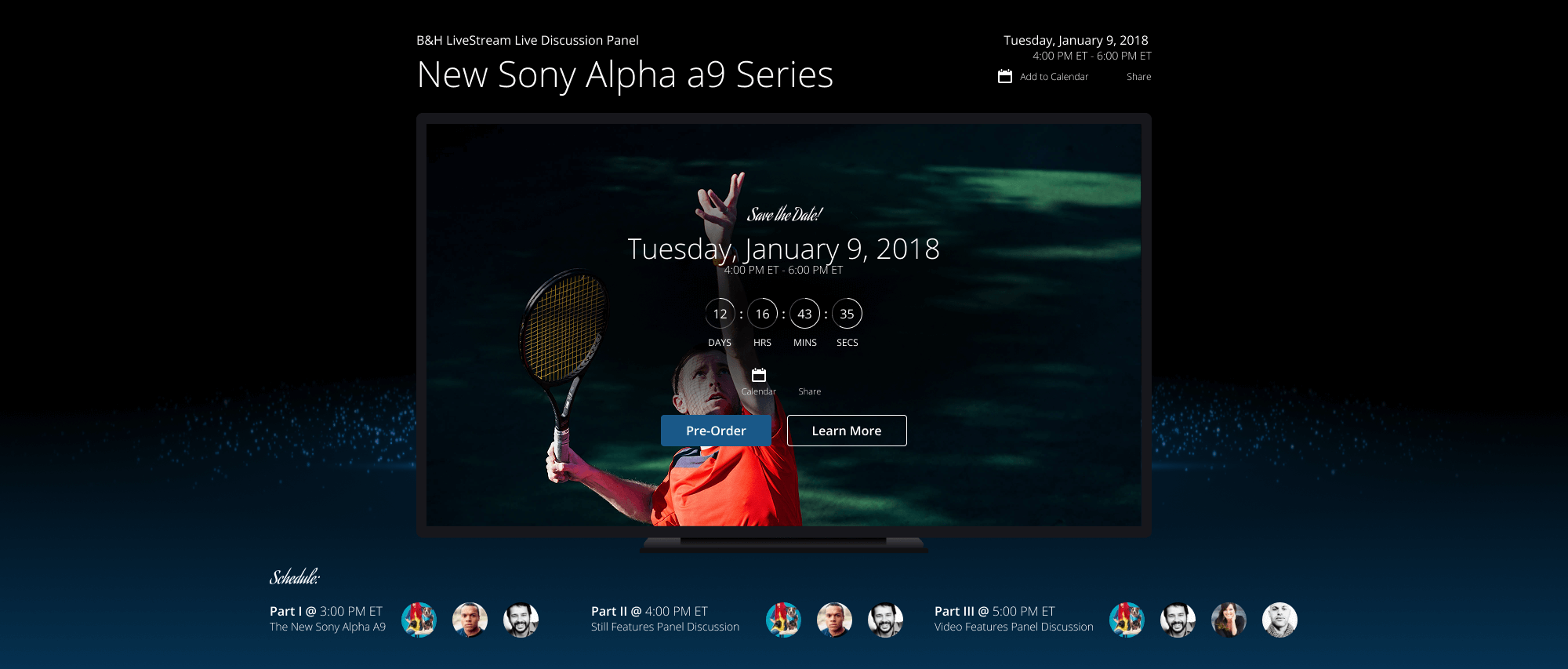
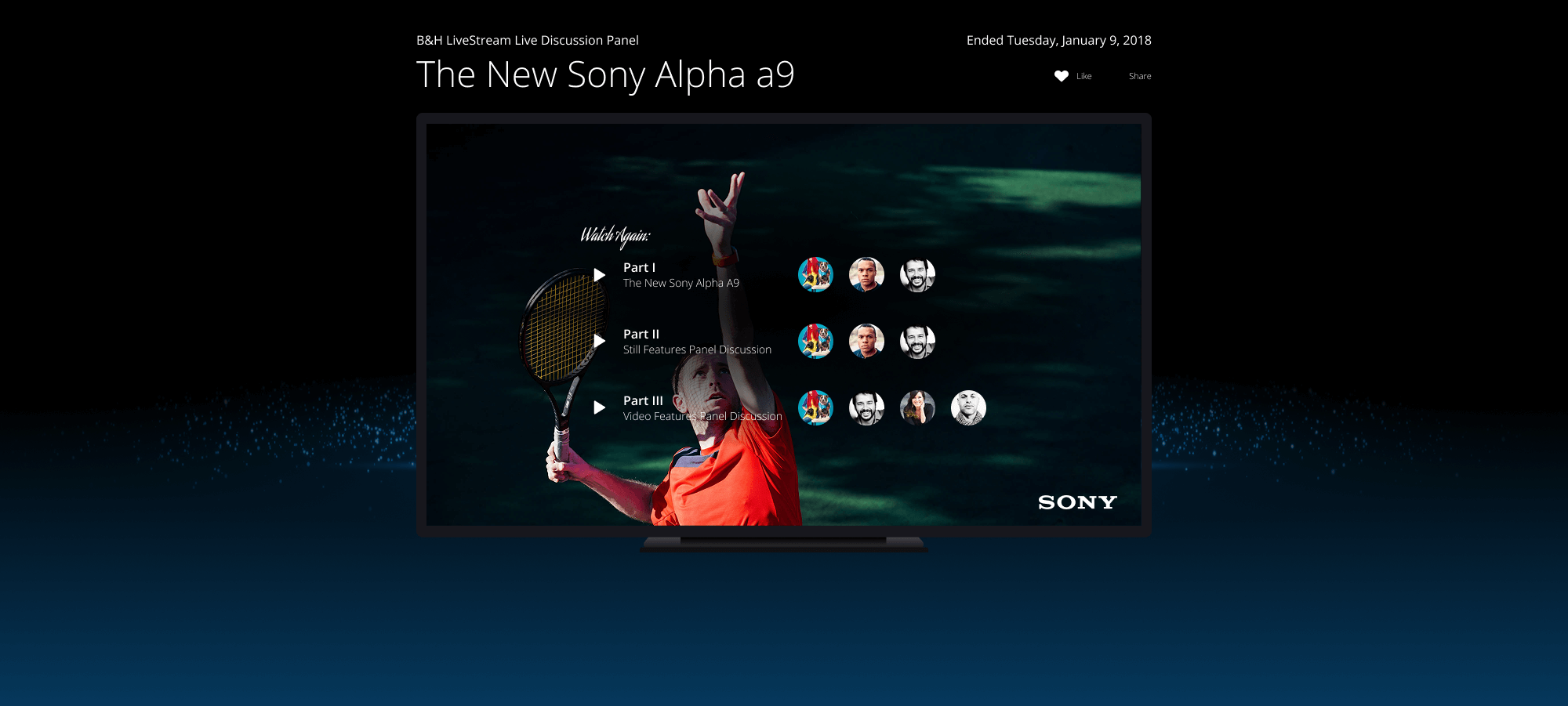
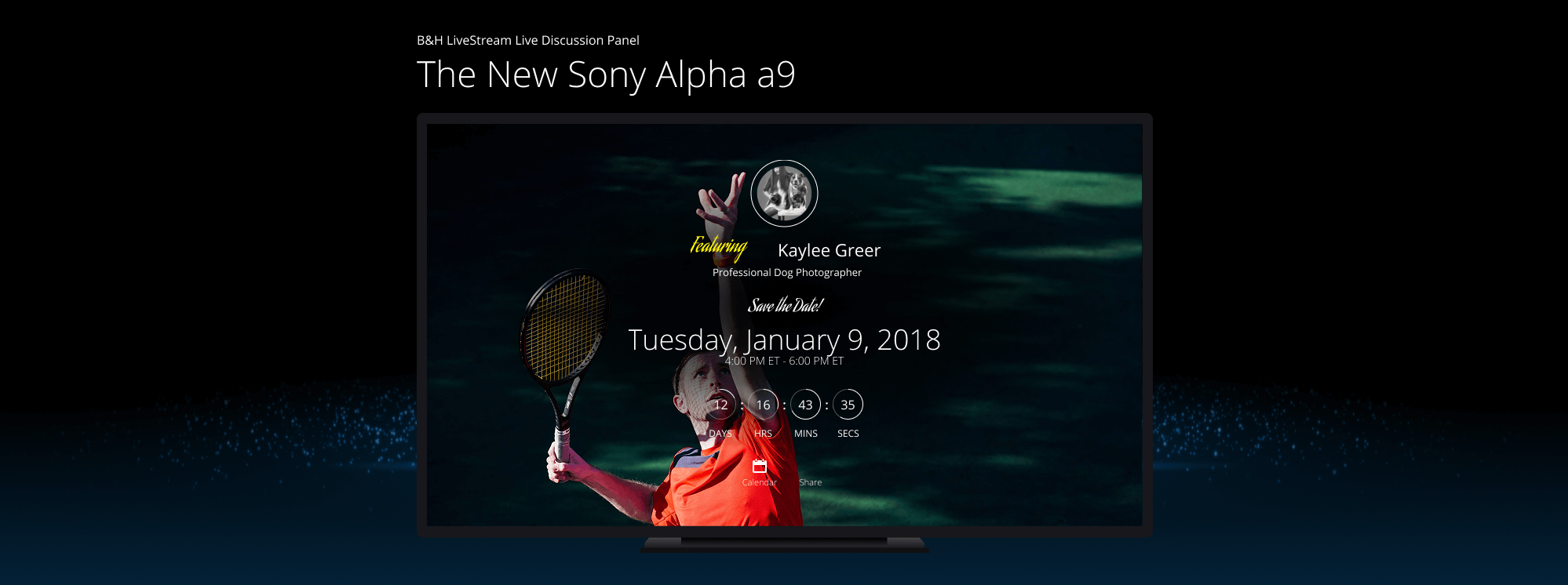
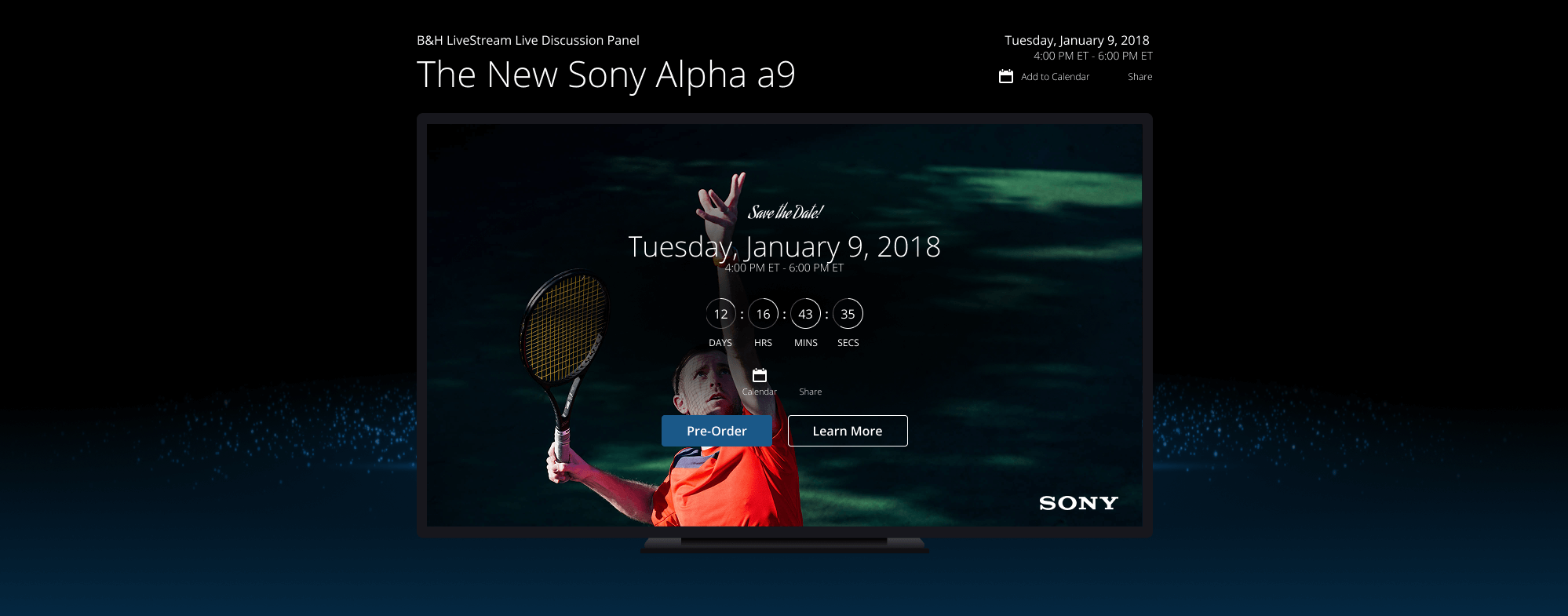
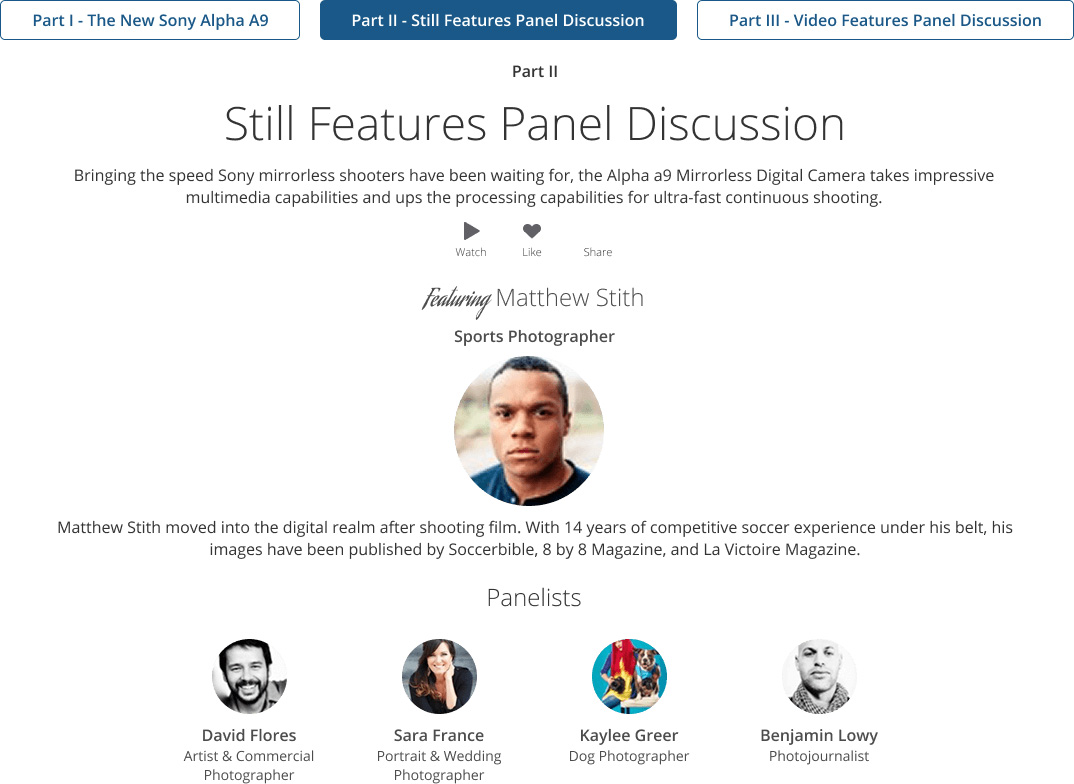
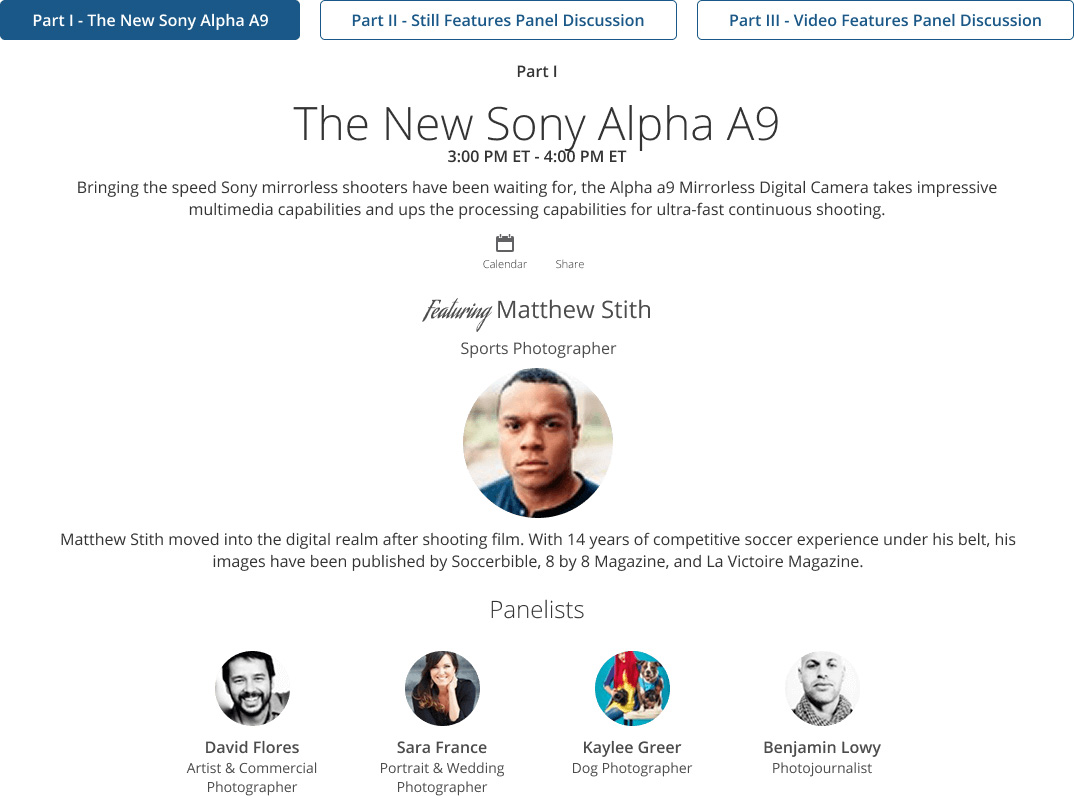
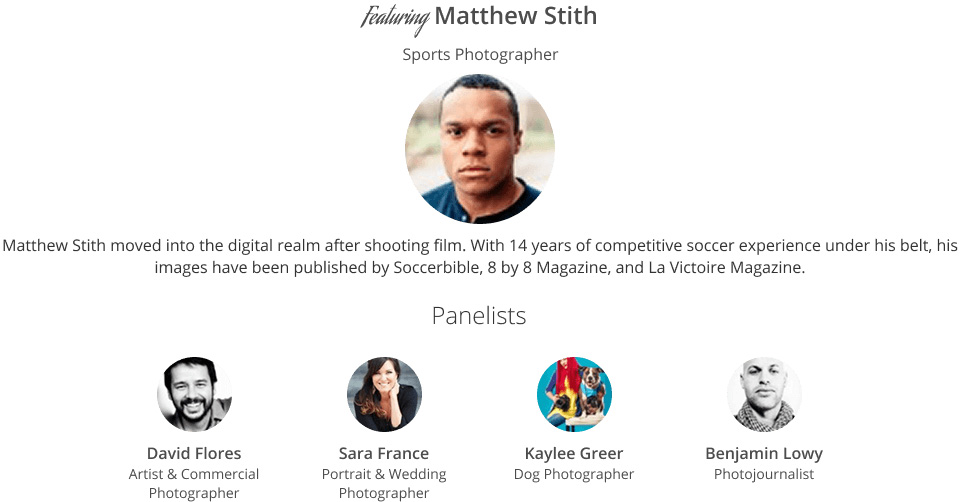
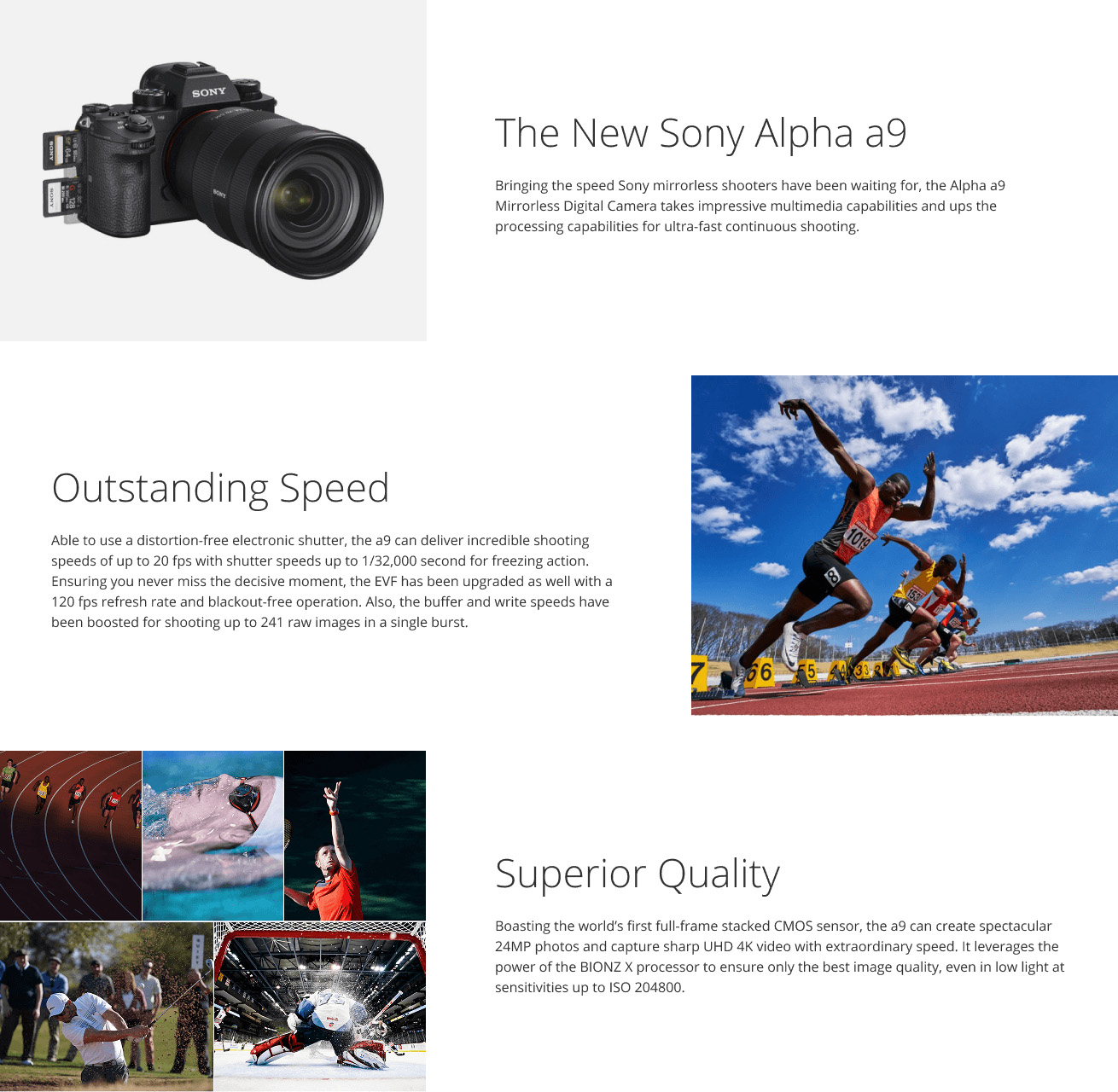
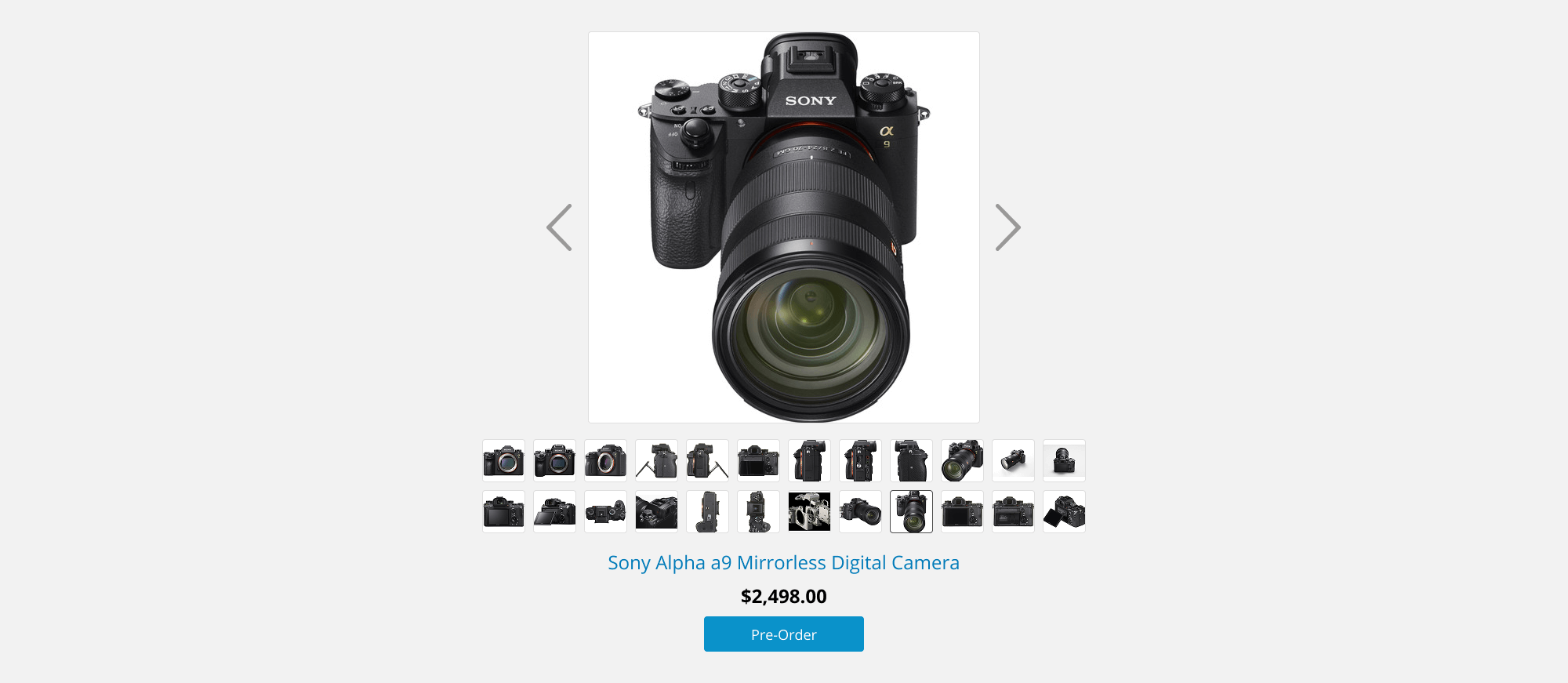
I designed a library of reusable widgets that supported different stages of an event (before, during, and after the livestream), including:
Each widget included layout variations to adapt to different content needs and allowed for scheduled visibility based on event timing.
Impact & Reflection
Impact
Event pages could now be assembled quickly and securely, supporting both embargoed and public-facing livestreams
The modular system improved efficiency and consistency across events
Reflection
I learned that in projects like these, success depends not just on the front-end design but also on the usability of the internal tools that content teams rely on.
I gained a deeper understanding of the level of communication and detail needed when collaborating with developers on backend systems.
Reflecting on this project years later, I can now approach similar initiatives with a much stronger sense of both user-facing and internal UX requirements.
Design System Evolution
After launching the Drupal-based livestream landing pages, the core idea proved successful — a modular, reusable system that balanced speed, flexibility, and control.
Years later, I revisited this work and designed a more refined landing page design system.
This DSM expanded on the original concept with improved component flexibility, clearer layout options, and updated visual patterns, while remaining platform-agnostic.
Although this newer system hasn’t been developed yet, it reflects where the design currently stands — informed by years of iteration, usage, and a deeper understanding of scalable page systems.